Science communication
Science communication at Deggendorf Institute of Technology (DIT) acts as a conduit for research into the worlds of business and society. It conveys the results of research carried out at DIT – in an evidence-based and transparent manner. It also reports on relevant events and provides insights into day-to-day research activities.
At DIT, however, communication from and about applied science is not intended merely to inform. Wherever possible, the aim is also to engage in active dialogue with the public in the region and beyond. To this end, needs, ideas and sentiments from the business community and society at large are gathered and fed back into the university. Science communication thus forms a two-way platform for mutual understanding regarding technical, economic, environmental and social challenges – as well as their potential solutions.


Key features of science communication
- evidence based: is based on research findings
- transparent: is committed to maximum transparency
- bi-directional: informs the public whilst at the same time drawing inspiration from society
- dialogue-based: creates a platform for mutual understanding between higher education institutions, the business community and society in the region and beyond
- both emotional and factual: not only presents facts, but also showcases the people behind the research, algorithms and machines
FORMATS OF Science COMMUNICATION AT DIT
DIT uses a wide variety of communication formats:
- Media (General and specialist press, Radio, TV)
- Social Media (LinkedIn, Instagram, TikTok, Facebook, YouTube)
- Storytelling – the people behind algorithms and machines
- Podcasts
- Blog
- University for Kids
- Science Bench
- Lectures & Information Sessions
- Personal portraits
- Open Day
- Dies academicus
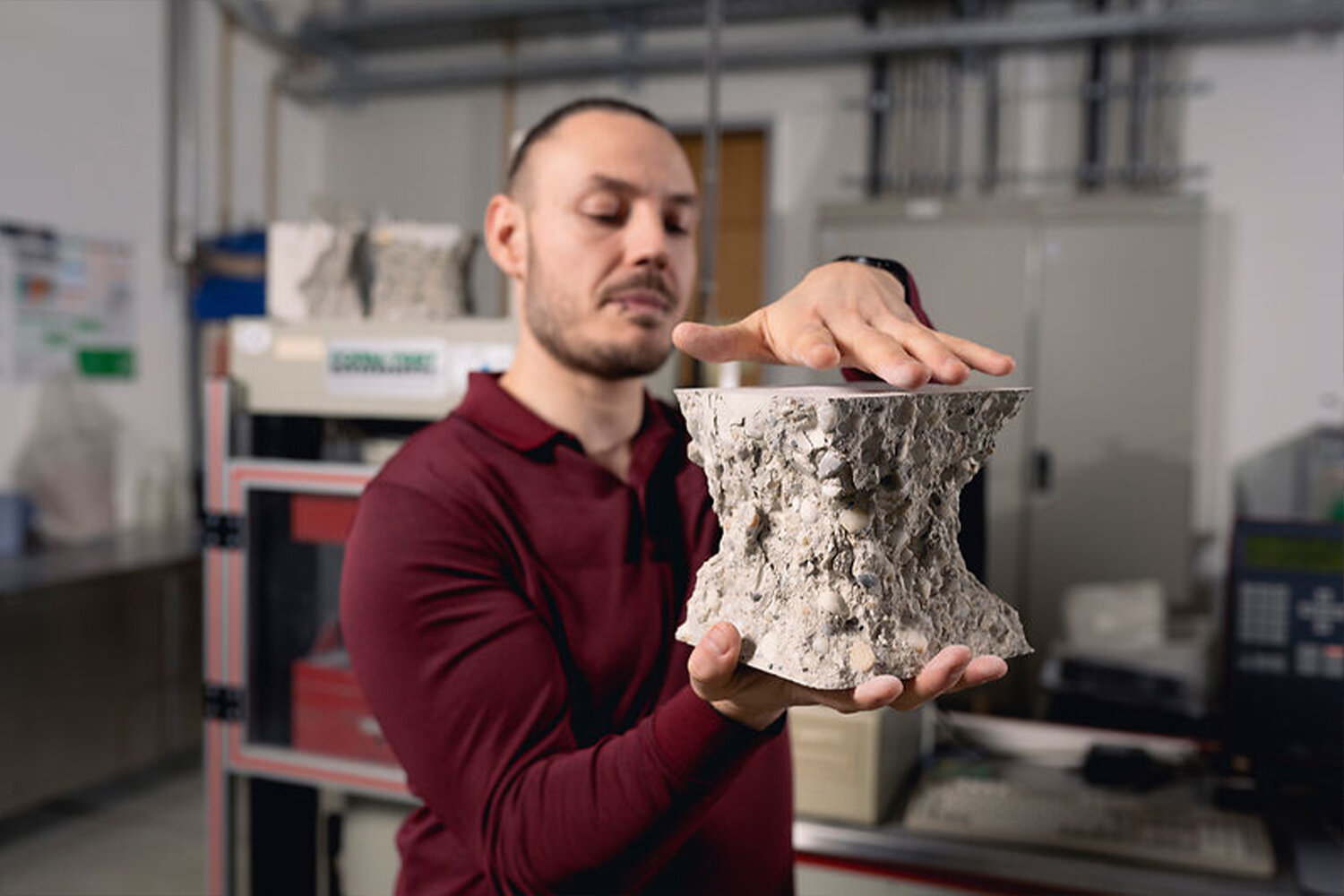
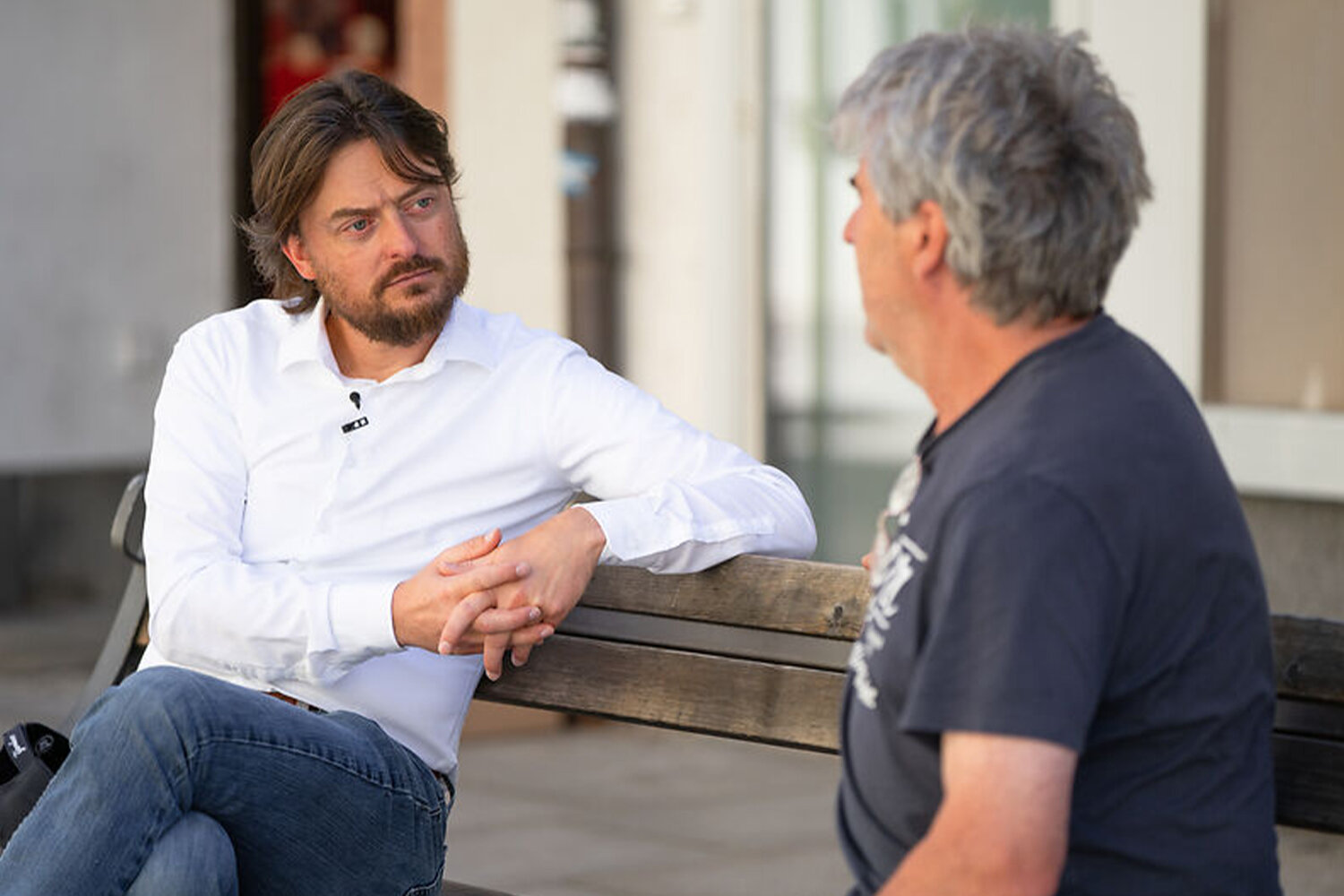
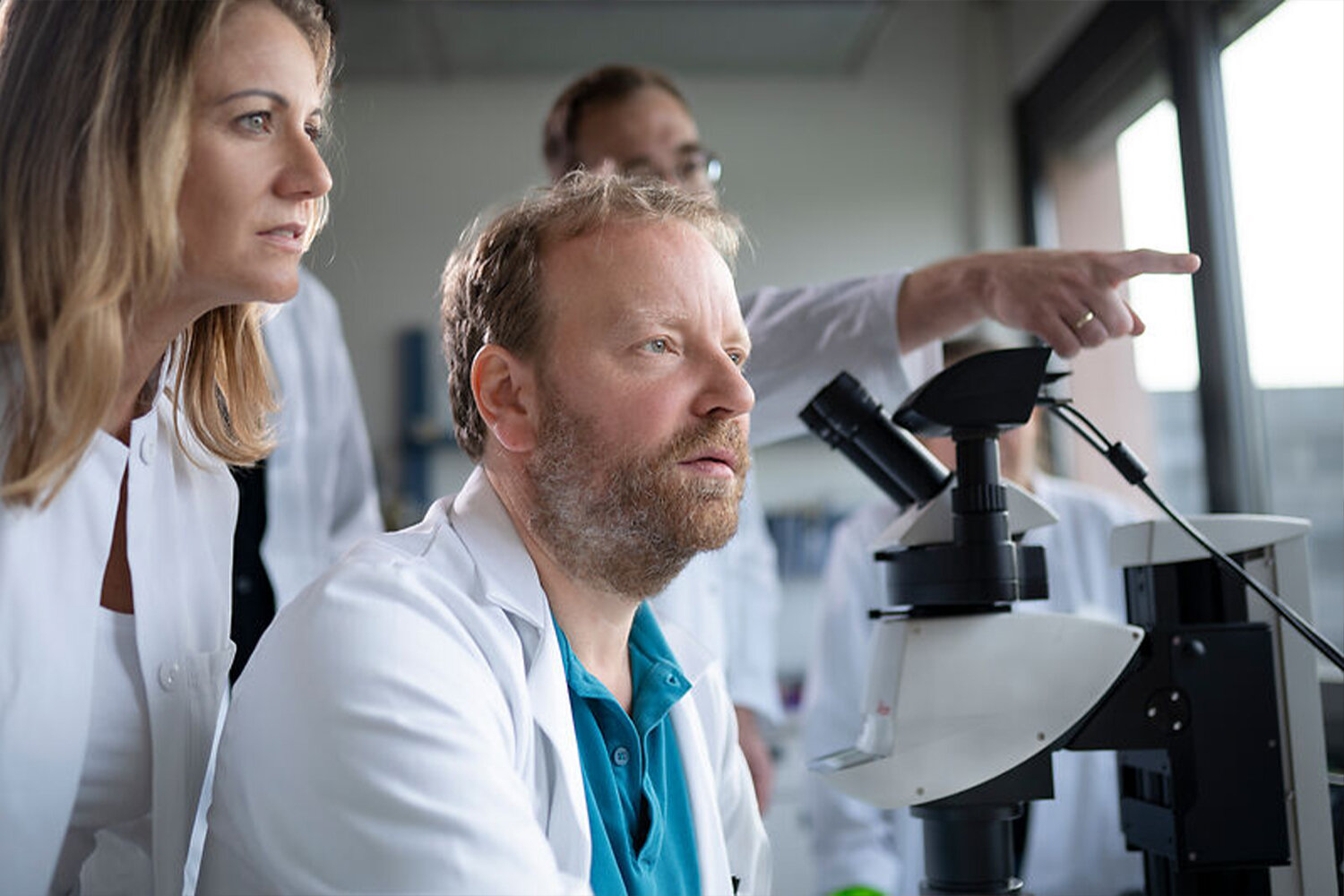
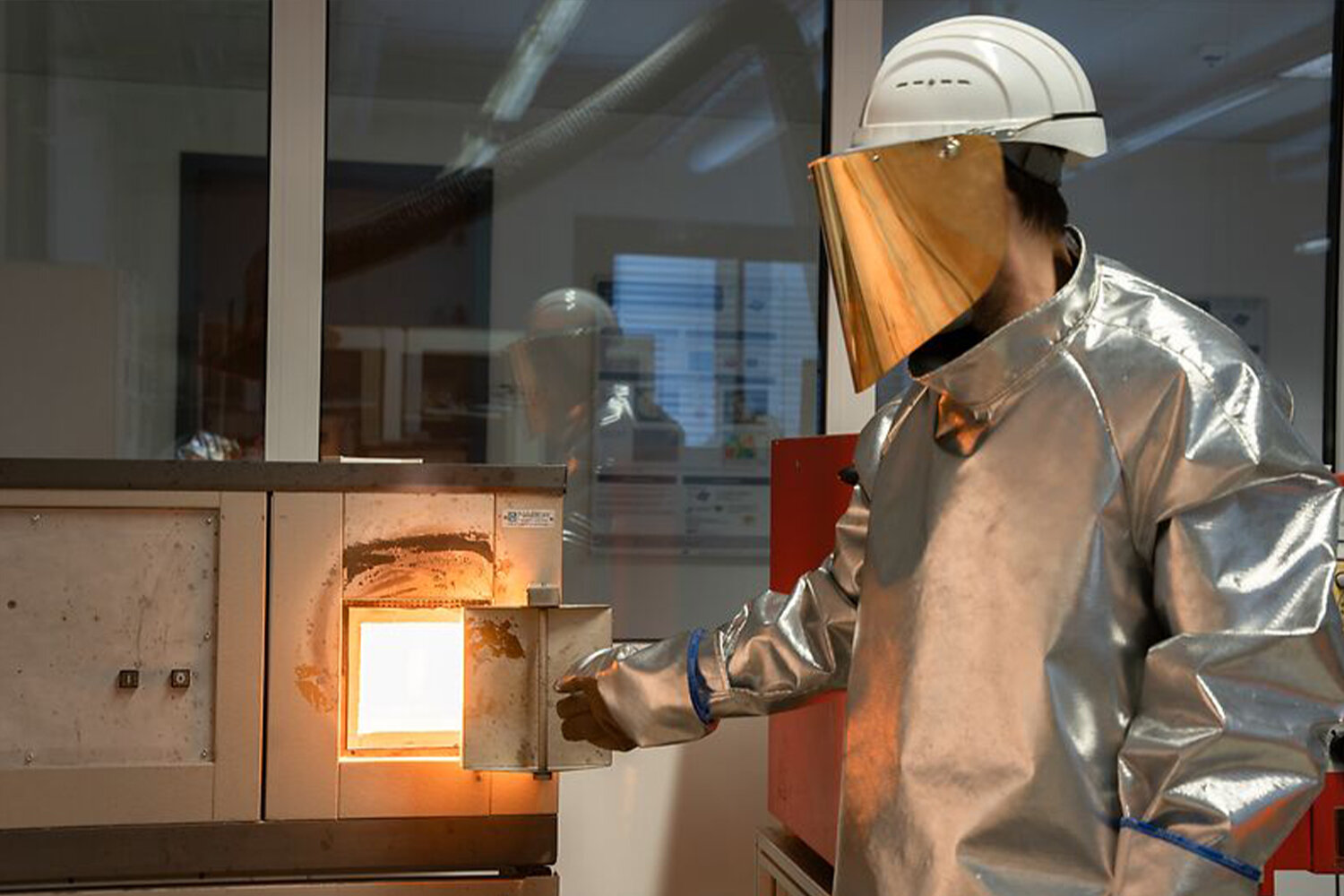
Why does DIT also showcase the people behind the research?
Science communication is not just about facts; it also aims to strike an emotional chord. DIT's formats therefore deliberately showcase the people at the numerous research sites, in the laboratories or engaging with society – who they are and what drives them. This is the only way to build credibility, trust and an appropriate level of public engagement with research.
What does society expect from science?
A survey carried out by the non-profit organisation Wissenschaft im Dialog (2019) highlights a clear need for dialogue between science and society:
- 64 Percent of those surveyed would like to experience first-hand how a scientist works.
- 57 Percent of those surveyed would like to discuss with scientists what is worth researching.
DIT’s Science Communication department sees itself as a hub between these two worlds – research and society.
EXPLANATIONS AT THE INTERFACE WITH THE PUBLIC
Communication between academia, society and the digital public sphere
Researchers work at the interface between science, society and the digital public sphere. In this role, they must fulfil three key tasks: evaluating information, explaining uncertainties in an accessible way, and communicating findings in such a way as to avoid misunderstandings.
Building and continually strengthening public trust in science requires, above all, transparency and credibility.
COMMUNICATION SUPPORT FOR RESEARCHERS
DIT supports its researchers by providing communication specialists and a range of coaching programmes designed to enhance communication skills.
This is because communication is not usually covered as a subject in degree programmes in the natural sciences, engineering, economics or health sciences. Nevertheless, researchers face the challenge of developing, professionally implementing and documenting science communication strategies for funding applications.
For this reason, among others, DIT offers programmes on the following topics:
- Deep Dive into Communication
- Writing workshop for media and social media
- Photos and Reels using a smartphone
- Science communication in funding applications
- Science communication as owned content on DIT platforms
- Researchers in front of the camera and microphone
FAQ: Science communication At dit
No. Science communication acts as a mouthpiece for the university’s own research, whereas science journalism reports on research independently.
Science communication is the responsibility of the university and its researchers. It is evidence-based, transparent and two-way: it actively informs the public whilst at the same time taking on board the needs, ideas and sentiments of society.
Ongoing science communication builds credibility and trust. It enables society to participate in research, something it is quite rightly entitled to. According to a survey by Wissenschaft im Dialog (2019), 64 per cent of people want to see how scientists work, and 57 per cent would like to discuss with them what is worth researching.
Science communication at DIT takes many forms: online and offline, on-demand and live, or as traditional media productions combining text, images and sound.
Examples include University for Kids and taster courses, specialist lectures and workshops, media work, social media, podcasts, blogs, personal profiles, the University Open Day and Dies Academicus.
To disseminate information to relevant target groups, DIT utilises its own digital channels on the one hand, whilst on the other hand the university presents itself at its own events and takes part in events in the region.
Platforms for science communication at DIT include the website – with all its subpages, ranging from location pages to storytelling under the heading ‘Tatort Wissenschaft’ – as well as its social media channels. Through live formats, such as the Science Bench or school workshops, researchers engage directly with the public.
Researchers act as experts in their respective fields. They report on the findings of their research, contextualise social issues or share their perspectives. They contribute directly to raising the profile of research at DIT by speaking at specialist conferences, writing posts on the DIT blog or sharing academic content on their personal social media accounts, such as LinkedIn.
The various formats are used to reach very different groups of people in a targeted manner. Some examples: via press releases and social media posts, people in the region and beyond are invited to public events or kept informed about happenings on campus. A podcast and a longer article on the website, written in the style of an engaging story, raise awareness of a specific topic and make research at DIT accessible even to non-specialists. Landing pages for research sites, institutes and research groups provide information on their respective areas of focus, present milestones and findings, or highlight opportunities for collaboration and services available to businesses. In this way, researchers outside the institution can be made aware of the relevant research work, whilst decision-makers in the private sector can also be reached.
Downloads
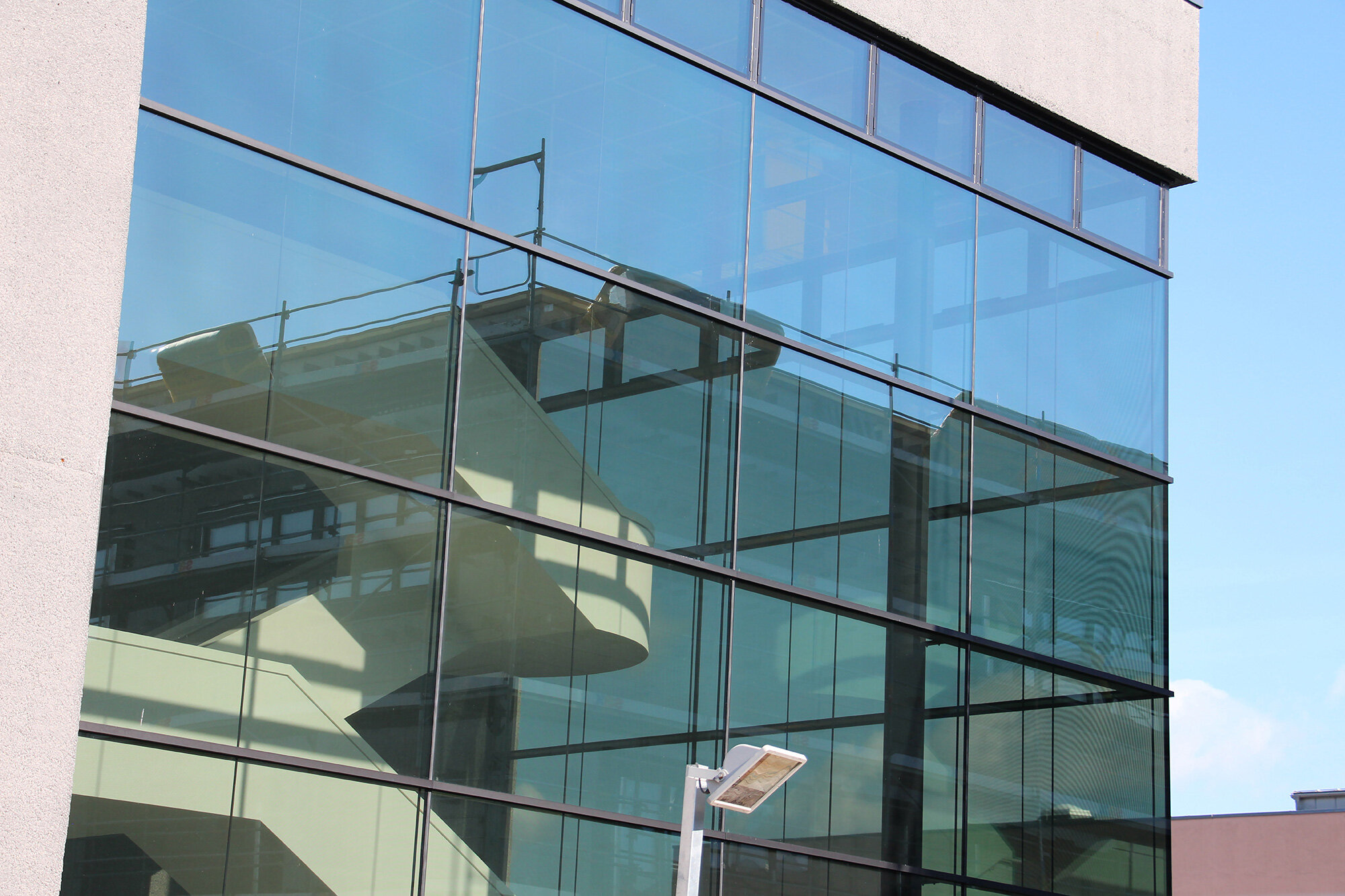
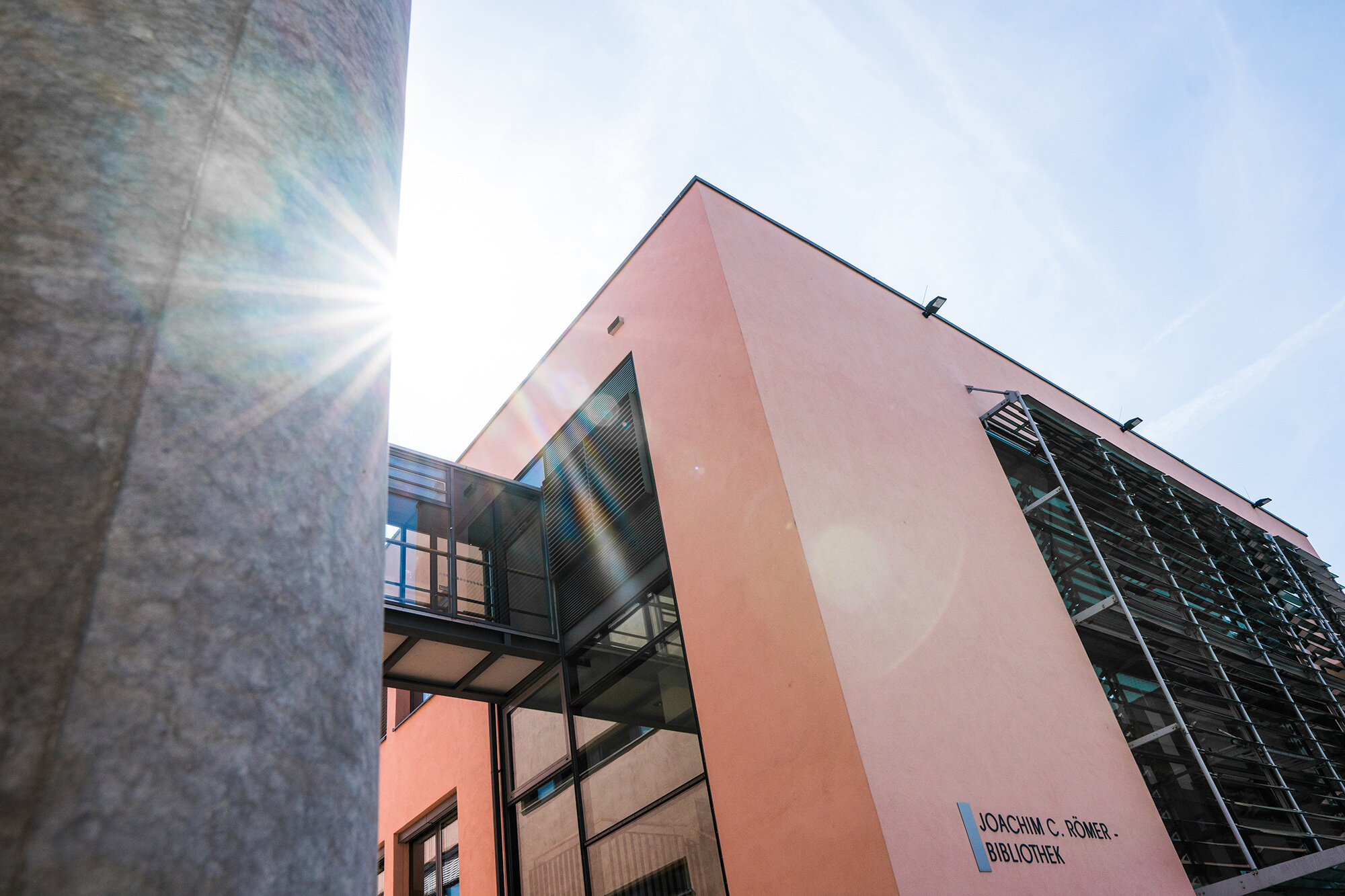
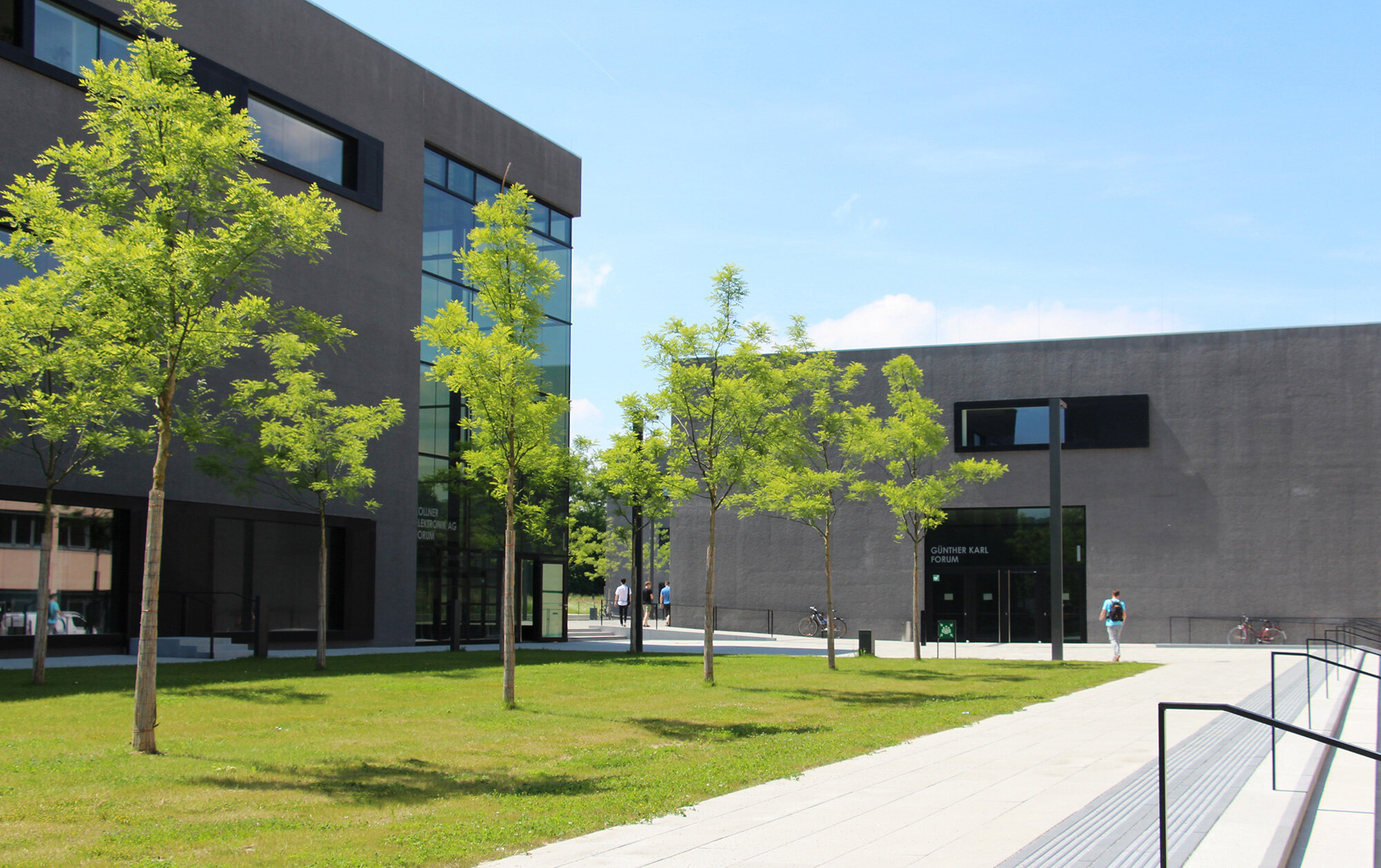
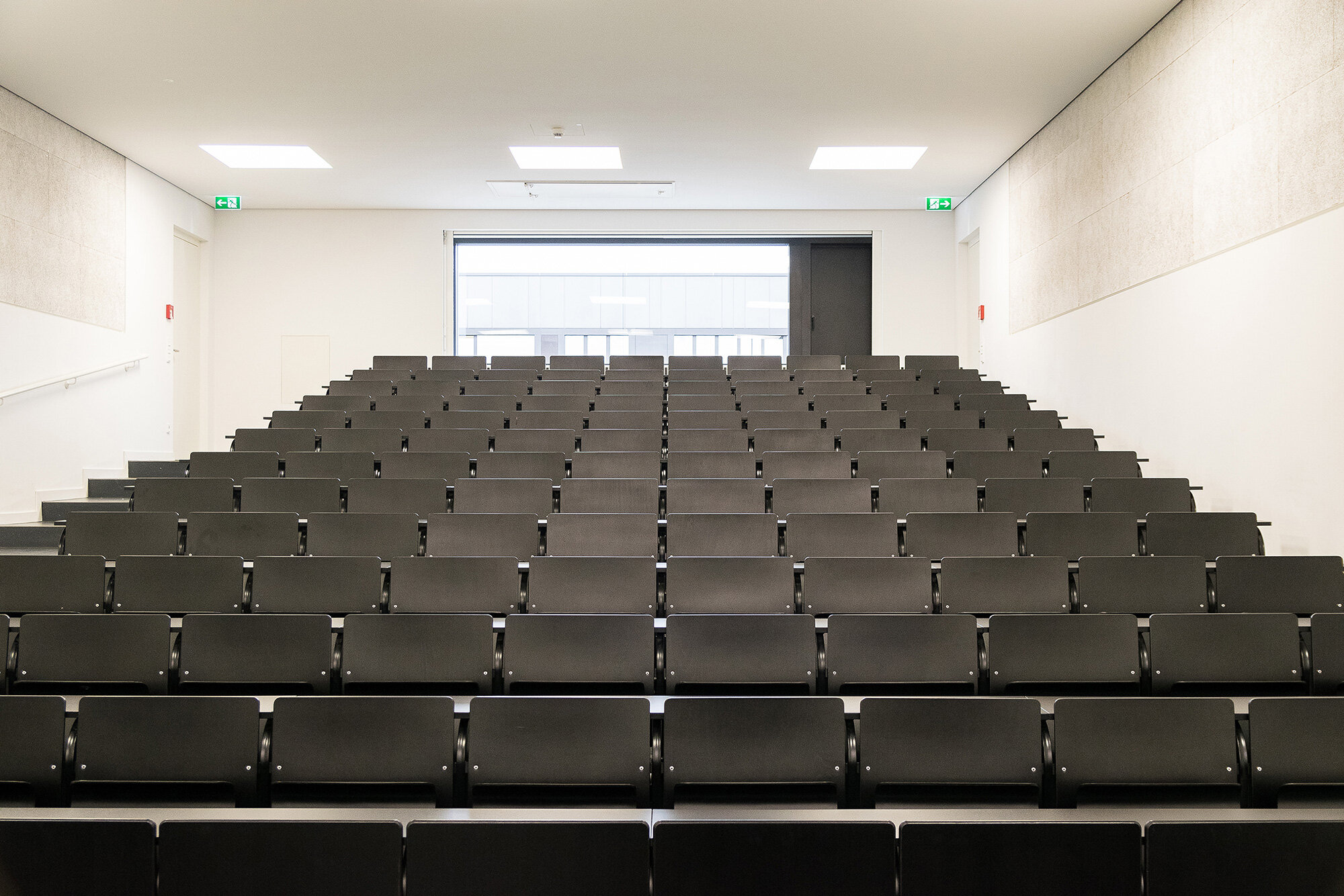
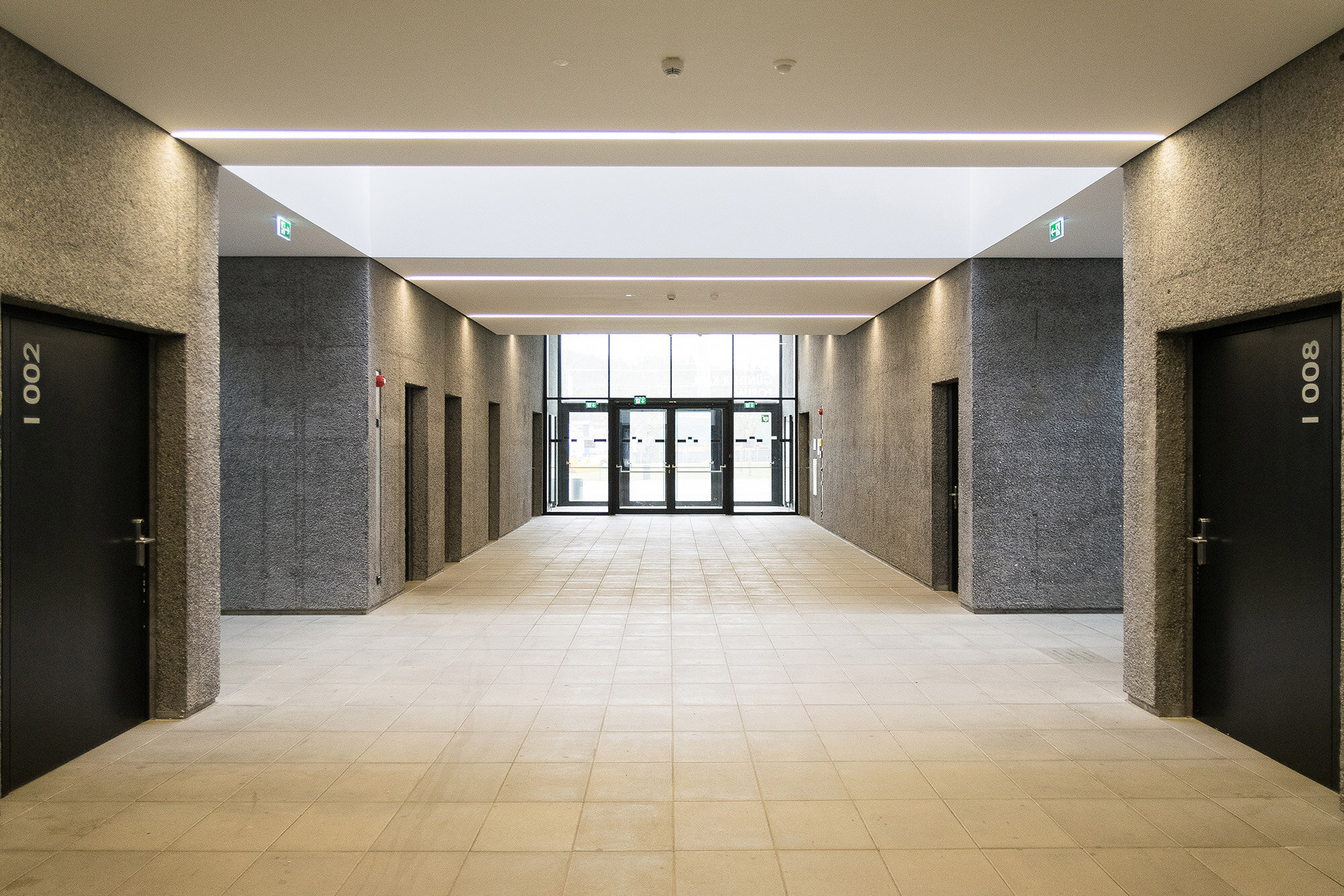
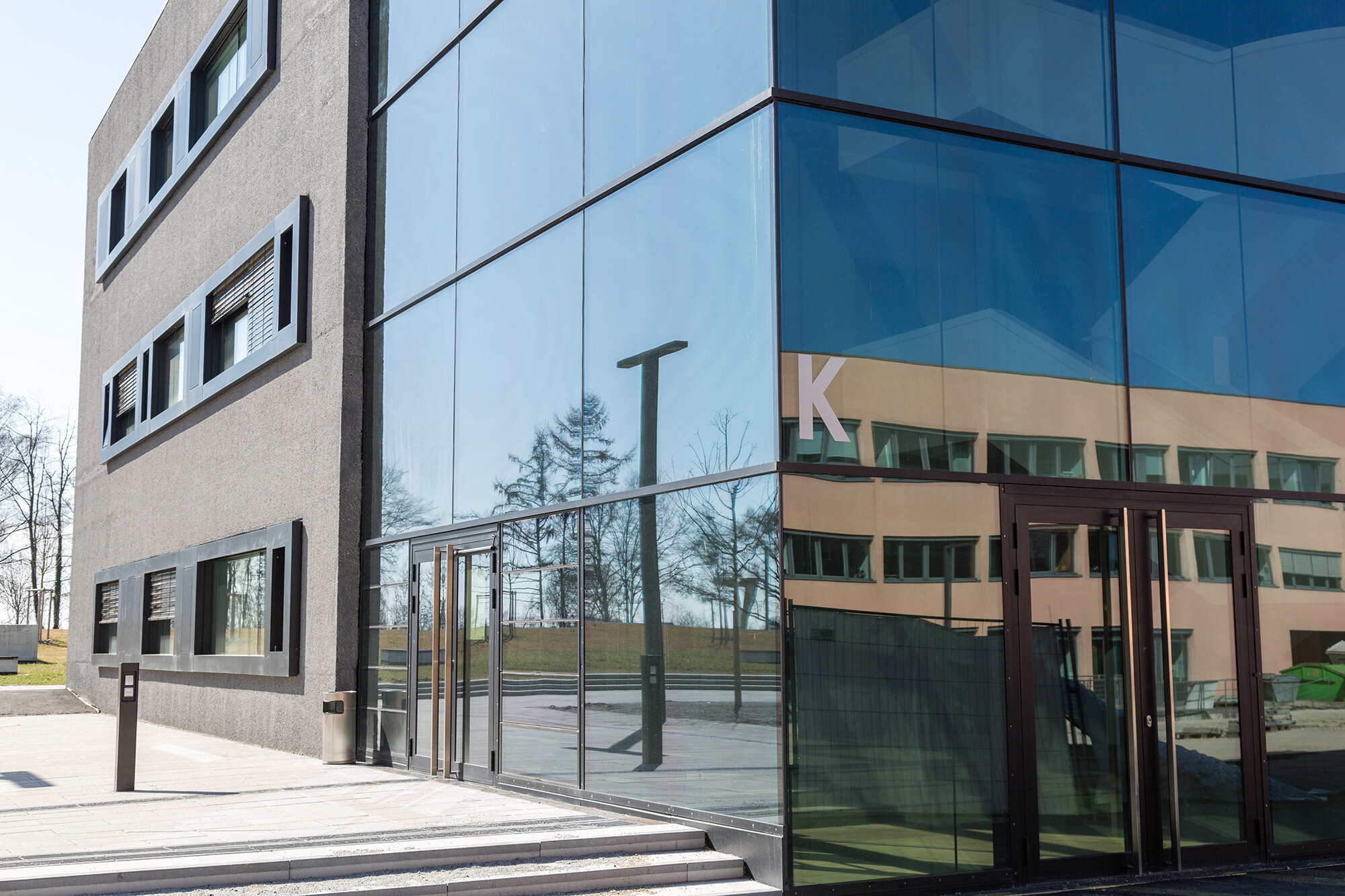
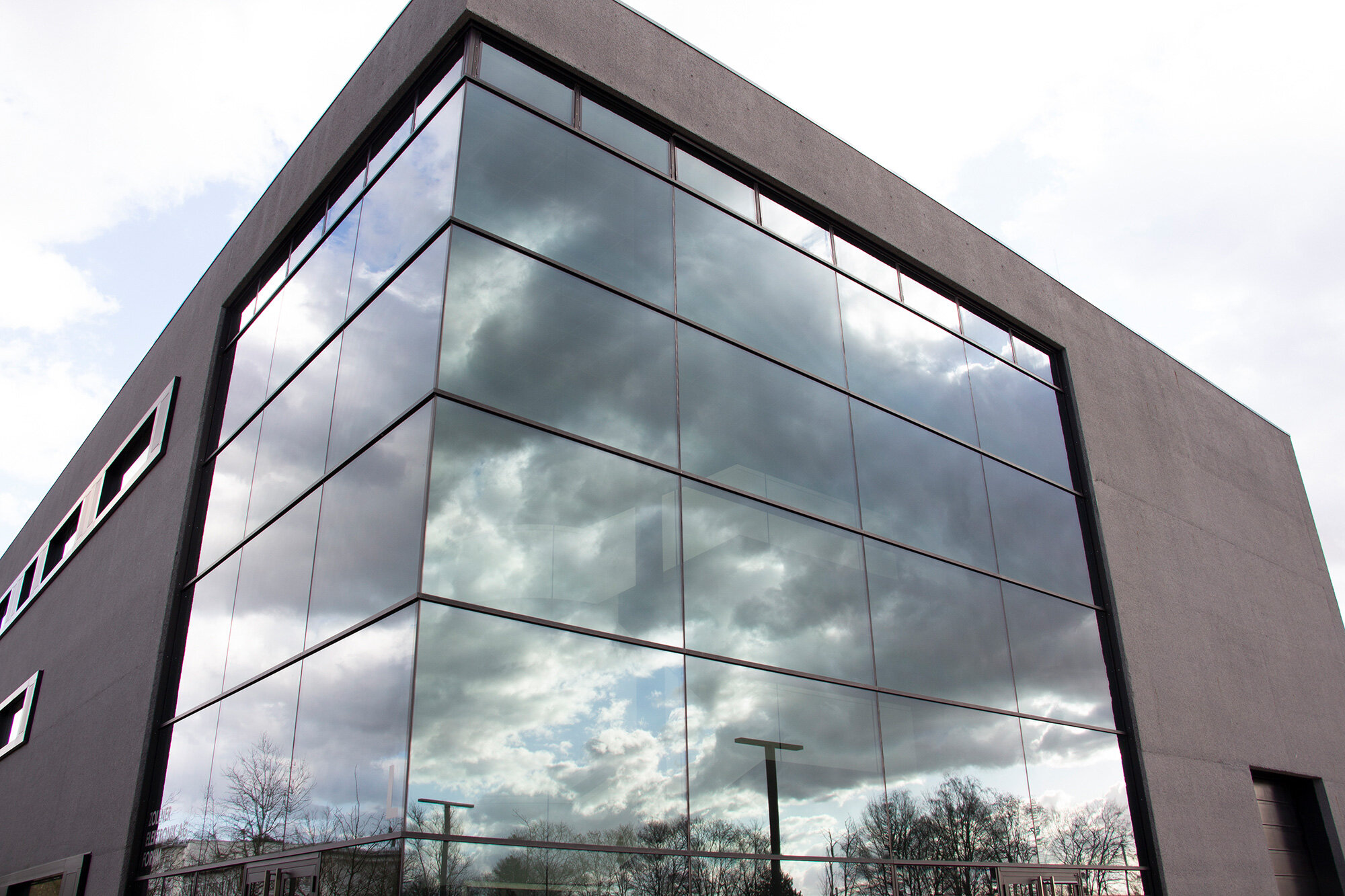
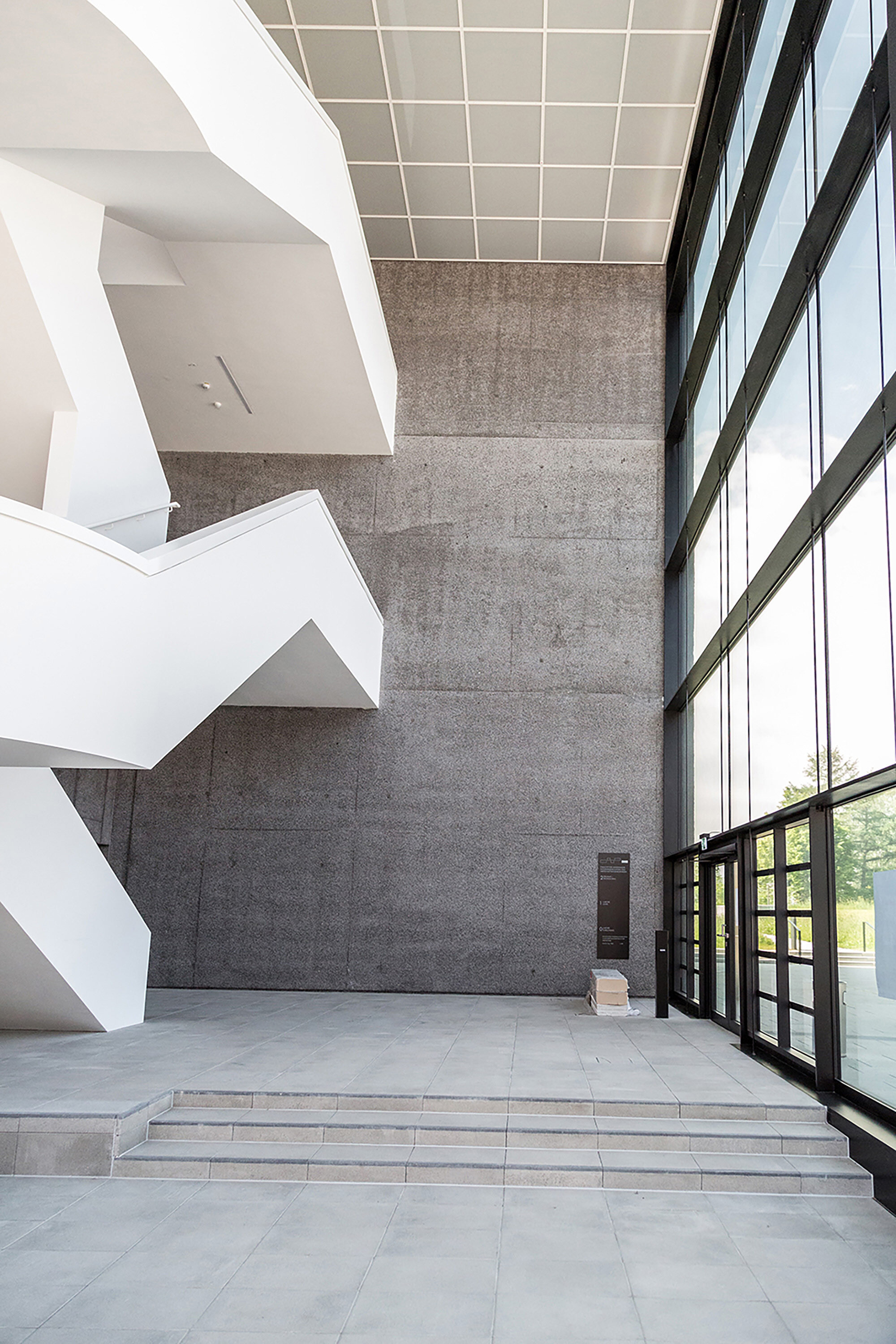
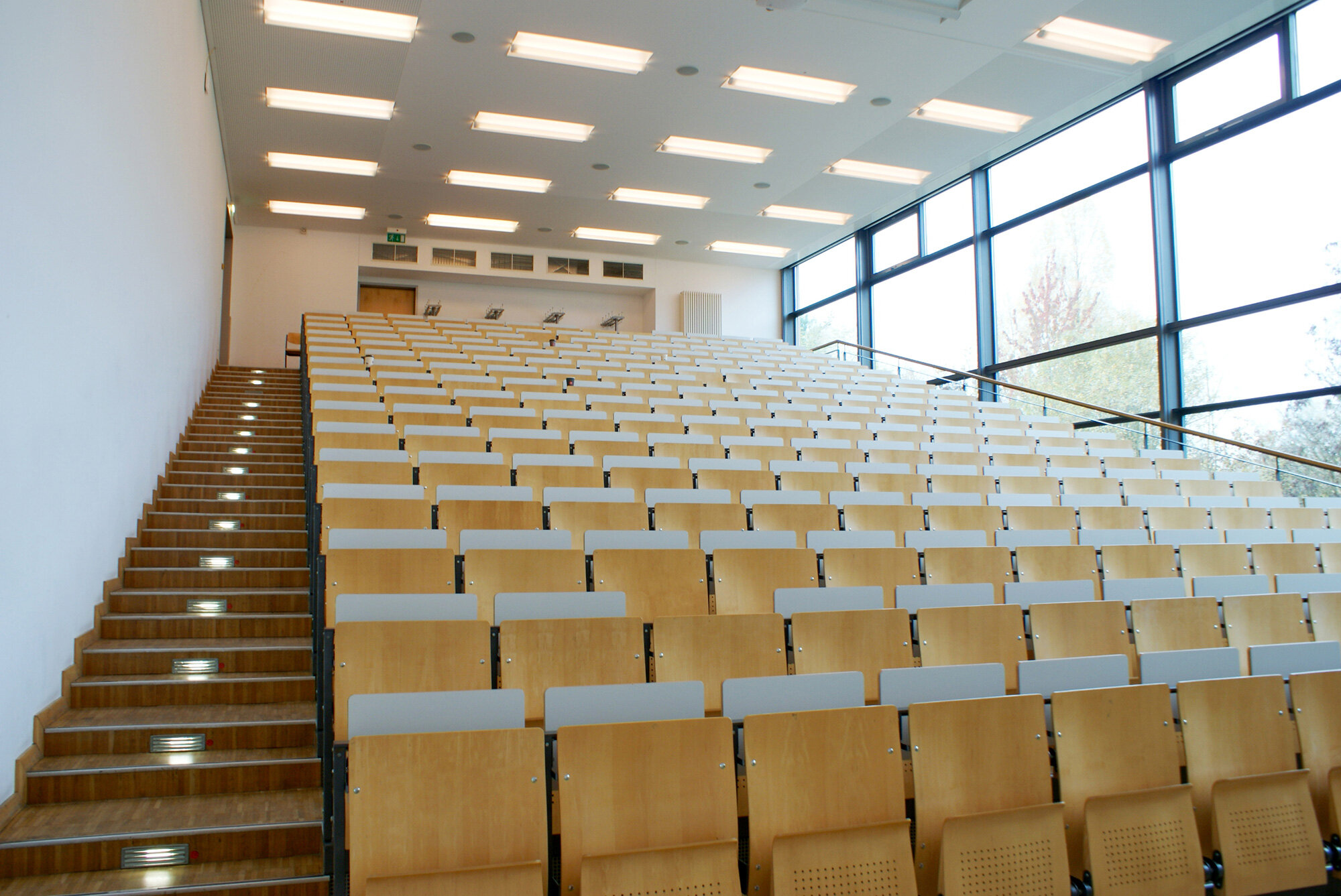
Deggendorf Institute of Technology provides the following images for quick and easy download. Use is permitted exclusively for journalistic purposes in the context of reporting on Deggendorf Institute of Technology. The credit ‘DIT’ must always be clearly visible.
All rights to the images are held by Deggendorf Institute of Technology (DIT). Modifications, edits and additions to the image material provided here are not permitted without prior consent. Minor colour corrections and resizing are exceptions to this rule. The image material may not be passed on to third parties or reproduced. This also applies to any digital reproductions and data storage media of any kind.
- The point of contact for all media representatives is the University and Science Communications Unit. Contact: pressestelle@th-deg.de
- If you are looking for images for a purpose other than those mentioned above please contact marketing@th-deg.de.



Teaching Campuses
- Campus Deggendorf
- Campus Pfarrkirchen (European Campus Rottal-Inn)
- Campus Cham
Research Campuses
- President: Prof. Waldemar Berg
- Vice President for Students' Matters: Prof. Dr. phil. Dipl.-geogr. Marcus Herntrei, mba
- Vice President Research & Transfer: Prof. Dr. Wolfgang Dorner
- Vice President for Internationalisation & Integration: Prof. Dr. Martina Heigl-Murauer
- Vice President Third Mission: Prof. Dr. Veronika Fetzer
- Chancellor: Birgit Augustin